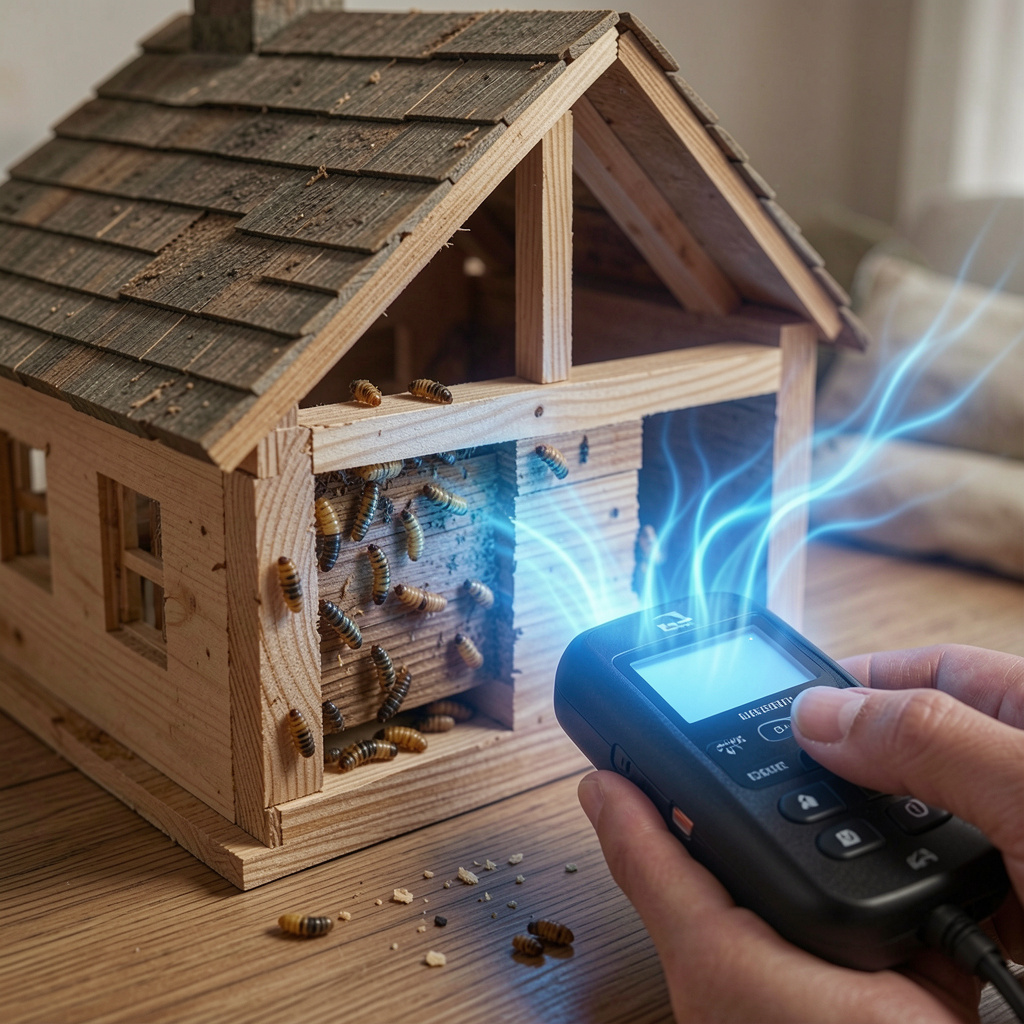
Wood is one of the most versatile and sustainable building materials used in homes, furniture, outdoor structures, and commercial buildings. Its natural beauty, strength, and durability make it a preferred choice for everything from timber-frame houses and log cabins to decks, fences, and exposed roof beams. However, while wood is naturally resilient, untreated timber is generally more vulnerable to environmental damage and certain wood-damaging pests than properly protected wood.
Leaving wood untreated does not automatically mean it will become infested, but it does increase its exposure to moisture, weathering, fungal decay, and conditions that can make it more attractive to wood-boring insects. Fortunately, with the right preservation methods, regular inspections, and proper maintenance, homeowners can significantly reduce these risks and extend the lifespan of their timber.
In this guide, we’ll explain why untreated wood is more susceptible to infestation, identify the warning signs of pest activity, and discuss the most effective ways to protect wooden structures.
What Is Untreated Wood?
Untreated wood refers to timber that has not received protective preservation measures such as:
- Pressure treatment
- Exterior wood preservatives
- Protective sealants
- Wood oils
- Weather-resistant coatings
Depending on the wood species and where it is used, untreated timber may deteriorate more quickly when exposed to outdoor conditions.
Why Untreated Wood Faces Greater Risks
Wood is a natural material that absorbs and releases moisture as environmental conditions change.
Without suitable protection, untreated timber is more likely to experience:
- Moisture absorption
- Surface cracking
- Weathering
- Fungal decay
- Mold growth
- Increased wear over time
These conditions can also create a more favorable environment for certain wood-boring insects.
Moisture Is the Biggest Threat
Moisture is one of the primary reasons untreated wood deteriorates.
Common sources include:
- Rain
- Snow
- Roof leaks
- Plumbing leaks
- Condensation
- Ground moisture
- High humidity
Keeping timber dry is one of the most effective ways to reduce the likelihood of decay and pest problems.
Wood-Boring Insects and Untreated Timber
Several species of wood-boring insects may infest timber under suitable conditions.
Examples include:
- Common Furniture Beetle
- Deathwatch Beetle
- House Longhorn Beetle
- Powderpost Beetles
The larvae of these beetles feed inside timber, often remaining hidden for several years before emerging as adults.
While untreated wood itself does not attract insects simply because it is untreated, timber that becomes damp or begins to deteriorate may provide more suitable conditions for some species.
Fungal Decay
Untreated timber that remains damp for prolonged periods may become vulnerable to fungal growth.
Signs include:
- Soft wood
- Dark discoloration
- Cracking
- Spongy texture
- Musty odors
Addressing the source of moisture is essential before repairing or replacing affected timber.
Outdoor Wood Is Especially Vulnerable
Exterior timber experiences continuous exposure to:
- Rain
- UV sunlight
- Wind
- Temperature fluctuations
- Seasonal weather
Without protective treatments, outdoor wood generally requires more frequent maintenance and may have a shorter service life than protected timber.
Common Signs of Infestation
Regular inspections help identify problems before structural damage develops.
Watch for:
- Small round exit holes
- Fine powdery wood dust (frass)
- Weak or crumbly timber
- Adult beetles near windows during spring or summer
Not every exit hole indicates an active infestation, so professional assessment is recommended.
How to Protect Untreated Wood
Several preventive measures can significantly improve timber durability.
Apply Protective Treatments
Suitable products may include:
- Exterior wood preservatives
- Protective oils
- Wood stains
- Sealants
- Paint systems
Always follow the manufacturer’s recommendations regarding application and maintenance.
Control Moisture
Protect timber by:
- Repairing roof leaks immediately.
- Maintaining gutters.
- Improving drainage.
- Preventing standing water.
- Monitoring indoor humidity.
Dry timber generally provides less favorable conditions for wood-boring insects.
Improve Ventilation
Good airflow helps reduce condensation and keeps timber dry.
Ensure proper ventilation in:
- Roof spaces
- Crawl spaces
- Basements
- Utility rooms
Inspect Regularly
Check timber at least once a year for:
- Cracks
- Water stains
- Soft wood
- Frass
- Exit holes
- Mold
Early intervention is usually far less expensive than major repairs.
Modern Woodworm Treatment Options
If an active woodworm infestation is confirmed, treatment depends on:
- Beetle species
- Severity of infestation
- Structural condition
- Accessibility
Professional options include approved chemical treatments and modern heat-based technologies.
Microwave Woodworm Treatment
One increasingly popular chemical-free solution is microwave woodworm treatment.
Professional microwave equipment generates controlled heat inside timber through dielectric heating, raising the internal temperature to levels that eliminate:
- Woodworm larvae
- Beetle eggs
- Pupae
- Adult wood-boring beetles
Benefits
- Chemical-free
- No pesticide residues
- Targeted treatment
- Environmentally responsible
- Suitable for many heritage buildings
- Helps preserve original structural timber
A timber preservation specialist can determine whether this treatment is appropriate for your property.
Untreated vs. Protected Wood
| Untreated Wood | Properly Protected Wood |
|---|---|
| More exposed to weather | Better resistance to moisture |
| Greater risk of surface deterioration | Improved long-term durability |
| Requires closer monitoring | Longer intervals between maintenance in many situations |
| More vulnerable to moisture-related problems | Better protected against environmental exposure |
| May become more favorable to certain pests if damp | Reduced likelihood of moisture-related pest conditions |
Protection and regular maintenance help maximize the lifespan of any timber.
Common Myths About Untreated Wood
Myth 1: Untreated Wood Always Gets Woodworm
Fact: Untreated wood does not automatically become infested. Factors such as moisture, environmental conditions, wood species, and exposure all influence the likelihood of infestation.
Myth 2: Hardwood Never Needs Protection
Fact: Some hardwoods are naturally durable, but many still benefit from protective finishes and routine maintenance, especially when used outdoors.
Myth 3: Pressure-Treated Wood Requires No Maintenance
Fact: Pressure-treated timber offers improved protection but still benefits from regular inspections, moisture control, and proper care.
When Should You Contact a Professional?
Professional advice is recommended if you notice:
- Fresh frass.
- New exit holes.
- Soft structural timber.
- Persistent moisture.
- Fungal decay.
- Signs of active insect activity.
- Significant deterioration of untreated wood.
A qualified timber preservation specialist can inspect your property, identify the cause of any damage, and recommend the most appropriate maintenance or treatment solution.
Conclusion
Untreated wood is naturally more exposed to moisture, weathering, fungal decay, and the conditions that can encourage certain wood-boring insects. While untreated timber does not automatically become infested, protecting it with suitable preservation methods, maintaining good ventilation, controlling moisture, and carrying out regular inspections can greatly reduce long-term risks.Visit online https://www.shashel.eu for more details.
If woodworm is discovered, professional treatment—whether through approved chemical products or modern chemical-free technologies such as microwave woodworm treatment—can help eliminate active infestations while preserving valuable structural timber. By combining protective treatments with routine maintenance, homeowners can keep wooden structures strong, attractive, and durable for many years.