
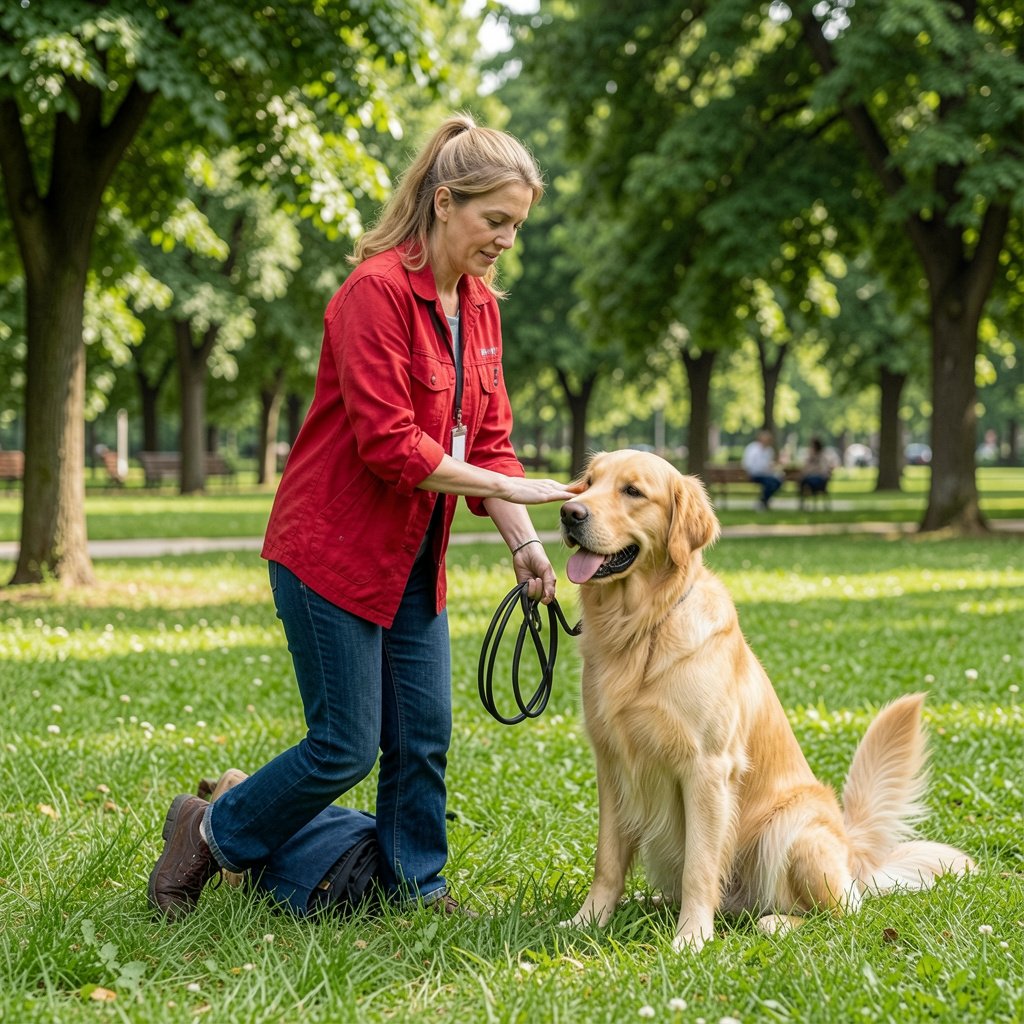
Bringing a dog into your home comes with excitement, companionship, and responsibility. While every dog has a unique personality, learning how to communicate clearly with them is essential for a positive relationship. Basic obedience training for dogs provides the foundation needed for better manners, improved communication, and a more enjoyable life together.
Obedience training is not only about teaching commands such as sit, stay, or come. It helps dogs understand expectations, develop confidence, and respond appropriately in different situations. Whether you have a young puppy learning household rules or an adult dog needing better structure, consistent training can help create lasting behavioral improvements.
A well-trained dog is easier to manage at home, during walks, and around other people or animals. With the right approach, training becomes an opportunity to strengthen trust and build a partnership between dogs and their owners.
Why Basic Obedience Training Matters for Every Dog
Dogs communicate differently from humans. They rely on body language, routines, and repeated experiences to understand what is expected of them. Without proper guidance, dogs may develop unwanted habits simply because they do not know which behaviors are appropriate.
Basic obedience training gives dogs clear direction while helping owners learn how to communicate effectively. This two-way understanding is what makes training successful over time.
Some important benefits of obedience training include:
- Better response to everyday commands
- Improved safety in public spaces
- Reduced unwanted behaviors
- Increased confidence in new environments
- Stronger trust between dogs and owners
Training also provides mental stimulation. Dogs are naturally curious and need activities that challenge their minds. Learning commands, practicing problem-solving exercises, and following routines can help prevent boredom-related behaviors such as excessive barking, chewing, or digging.
Key Skills Taught Through Dog Obedience Training
A strong obedience foundation focuses on practical skills that improve daily interactions. While advanced training can introduce specialized behaviors, basic commands are valuable for nearly every household.
Sit and Stay Commands
The sit command teaches dogs impulse control and helps them respond calmly in different situations. It can be useful when greeting visitors, waiting for meals, or preparing for a walk.
The stay command builds patience by teaching dogs to remain in place until they receive another instruction. This skill can improve safety by preventing dogs from running through doors, approaching unsafe areas, or reacting impulsively.
Come When Called
A reliable recall command is one of the most important skills a dog can learn. Teaching a dog to return when called helps owners maintain control during outdoor activities and reduces safety risks.
Successful recall training requires patience, positive reinforcement, and consistent practice. Dogs should learn that coming back to their owner leads to positive experiences.
Leash Manners
Many dogs struggle with pulling, jumping, or reacting during walks. Leash training teaches dogs how to move calmly beside their owners instead of controlling the direction of the walk.
Proper leash behavior makes daily walks more enjoyable and helps dogs become comfortable around different sights, sounds, and environments.
Leave It and Drop It
Dogs naturally explore the world through their mouths. Teaching commands like “leave it” and “drop it” helps prevent unwanted behaviors and keeps dogs safer.
These commands are especially useful when dogs encounter objects that may be harmful or distracting.
How Positive Reinforcement Improves Dog Training Results
Modern dog training often focuses on positive reinforcement because it encourages learning through rewards and encouragement. Instead of relying on fear or punishment, positive reinforcement helps dogs understand which behaviors lead to desirable outcomes.
Rewards can include:
- Treats
- Verbal praise
- Playtime
- Toys
- Attention from owners
When a dog receives a reward after performing a desired behavior, they are more likely to repeat that action in the future. Consistency is important because dogs learn through repetition and clear feedback.
Positive training methods also support confidence. A dog that feels safe and understood is more likely to engage during training sessions and respond willingly to guidance.
Common Mistakes Owners Make During Obedience Training
Even with good intentions, many owners experience challenges when training their dogs. Understanding common mistakes can make the process more effective.
Inconsistent Rules
Dogs learn best when expectations remain consistent. If a behavior is allowed sometimes but discouraged at other times, dogs may become confused.
For example, allowing a dog to jump on people occasionally can make it harder to teach polite greetings. Everyone in the household should follow the same training approach.
Expecting Results Too Quickly
Training takes time. Dogs do not learn complex behaviors overnight, and each dog progresses at a different pace.
Short, regular training sessions are usually more effective than occasional long sessions. Patience and repetition help reinforce learning.
Focusing Only on Commands
Obedience training is about more than memorizing commands. Dogs also need to learn how to behave calmly around distractions, unfamiliar environments, and different people.
A dog that responds perfectly in a quiet room may need additional practice before responding reliably at a busy park or public area.
The Role of Early Puppy Training in Long-Term Behavior
Starting training early can help puppies develop healthy habits before unwanted behaviors become established. Puppy training introduces important skills such as socialization, basic commands, and appropriate play behavior.
Early training can help puppies learn:
- How to interact politely with people and other dogs
- How to adjust to new experiences
- How to follow household routines
- How to manage excitement and energy
However, older dogs can also benefit from obedience training. Dogs are capable of learning throughout their lives, and structured guidance can help improve behavior at any age.
Creating a Successful Training Routine at Home
Consistency is one of the most important factors in successful dog training. Owners can support progress by creating a predictable routine and practicing skills regularly.
Helpful training habits include:
- Keep sessions short and focused.
- Practice commands in different locations.
- Reward positive behaviors immediately.
- Use clear and consistent cues.
- Gradually introduce distractions.
Training should become part of everyday life rather than a separate activity. Asking a dog to sit before meals, wait before going outside, or walk calmly on a leash reinforces obedience naturally.
How Professional Dog Trainers Support Better Learning
While many owners can teach basic commands at home, professional guidance can provide valuable support when challenges arise. Trainers understand canine behavior, learning patterns, and effective communication methods.
A professional trainer can help address issues such as:
- Difficulty following commands
- Excessive barking
- Jumping or overexcitement
- Leash pulling
- Poor social behavior
- Lack of confidence
Professional training also helps owners understand why certain behaviors occur. Instead of only correcting actions, effective training focuses on identifying causes and creating better habits.
Programs such as those offered by Rob’s Dog Training focus on helping dogs and owners develop clearer communication through structured training methods.
Building Lasting Results Through Consistent Obedience Training
Successful dog training does not end after a dog learns a few commands. Maintaining good behavior requires ongoing practice and reinforcement throughout a dog’s life.
Dogs thrive when they have clear expectations, regular mental stimulation, and positive interactions with their owners. Continued training helps reinforce learned behaviors while adapting to new situations.
A trained dog is not simply one that follows commands. A well-trained dog is one that feels confident, understands boundaries, and can participate safely in everyday activities.
Final Thoughts on Basic Obedience Training for Dogs
Basic obedience training for dogs provides the foundation for a healthier relationship between pets and their owners. Through consistent practice, positive reinforcement, and clear communication, dogs can develop better habits while gaining confidence in different environments.
Training supports more than obedience. It creates trust, improves safety, and helps dogs become well-adjusted companions. Whether beginning with a new puppy or improving an adult dog’s behavior, investing in proper training can make everyday life more enjoyable for everyone.
Start building better communication and stronger behaviors with professional guidance from Rob’s Dog Training. A structured training approach can help your dog develop the skills needed for a happier, more balanced life.
